Understanding GPR Surveys London
Ground Penetrating Radar (GPR) has emerged as a crucial technology in the field of underground surveying, particularly in urban environments like London. As the city continues to grow, the need for efficient and non-invasive methods of locating subsurface objects becomes increasingly critical. GPR surveys are at the forefront of this necessity, offering innovative solutions for a myriad of applications including construction, archaeology, and environmental assessments. When exploring options, GPR Surveys London provides comprehensive insights into how these surveys can be effectively utilised.
What Are GPR Surveys?
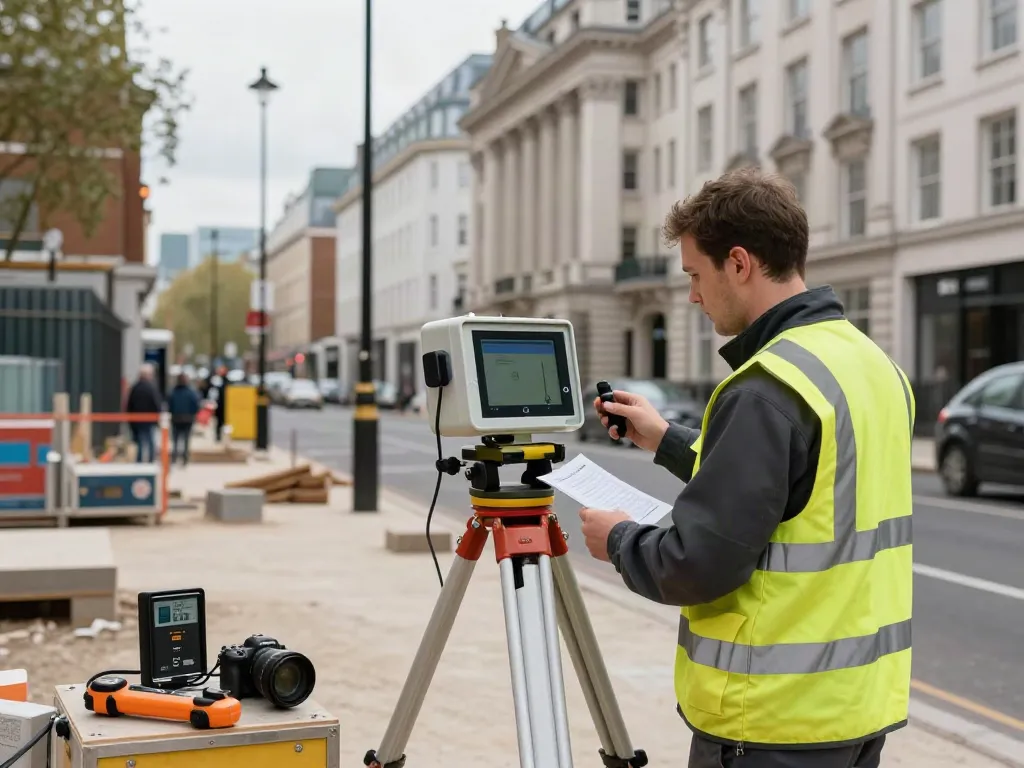
Ground Penetrating Radar (GPR) is a non-invasive geophysical method used to detect, locate, and map subsurface features. It employs high-frequency radar pulses, which penetrate the ground and reflect off underground structures. These reflections are captured and processed to produce a visual representation of what lies beneath the surface, making GPR an invaluable tool for various industries.
The Importance of GPR in Urban Settings
In densely populated urban areas like London, traditional excavation methods can be disruptive and costly. GPR surveys provide a non-invasive alternative that minimizes disturbance to the surface while offering accurate and detailed subsurface information. This capability is essential for ensuring the safety and efficiency of construction projects, as well as for the maintenance of existing infrastructures.
Key Benefits of GPR Surveys for Construction Projects
- Efficiency: GPR surveys allow for rapid data collection and interpretation, reducing project timelines.
- Cost-Effectiveness: By identifying potential issues before excavation, GPR can help avoid costly delays and repairs.
- Safety: Knowing the exact location of utilities reduces the risk of accidents during construction.
- Environmental Protection: Non-invasive methods help preserve green spaces and reduce the ecological footprint of construction activities.
How GPR Works
The Technology Behind Ground Penetrating Radar
The fundamental principle of GPR relies on the transmission of electromagnetic waves into the ground. When these waves encounter different materials, such as soil, rock, or buried utilities, they reflect back to the surface. The time it takes for the waves to return is recorded and used to create a subsurface profile. This technology has evolved significantly, incorporating advanced data processing techniques and high-resolution imaging that enables clearer interpretations of subsurface anomalies.
Interpreting GPR Data: A Guide
Interpreting GPR data requires a combination of technical expertise and experience. The data is often visualised as a series of waveforms, each representing different subsurface materials. Trained professionals analyse these patterns to differentiate between various structures, such as pipes, cables, and geological features. Understanding the context of the site and collaborating with other surveying methods further enhances the accuracy of GPR interpretations.
Common Applications of GPR in London
GPR is used extensively across various sectors in London, including:
- Utility Mapping: Accurately locating underground utilities to facilitate safe excavation and construction.
- Archaeology: Non-invasive exploration of historical sites, helping to uncover buried artefacts.
- Environmental Assessments: Identifying voids, contaminations, and other subsurface anomalies that could impact environmental health.
- Construction Projects: Assessing soil conditions and identifying potential obstacles before beginning work.
Choosing a GPR Survey Provider
What to Look for in a GPR Service
When selecting a GPR survey provider, several factors should be considered to ensure you receive the highest quality service:
- Experience: Look for companies with a proven track record in conducting GPR surveys in similar environments.
- Accreditations: Verify that the provider adheres to industry standards and possesses the necessary certifications.
- Technology: Ensure that the provider uses the latest GPR technology and software for optimal accuracy.
- Customer Support: A responsive and knowledgeable team can significantly enhance your experience and project outcome.
Evaluating GPR Companies in London
To evaluate GPR companies effectively, consider requesting case studies or references from previous clients. This will provide insights into their methodologies, the quality of data they produce, and their ability to meet project deadlines. Additionally, it's wise to compare pricing structures among different providers, keeping in mind that the cheapest option may not always deliver the best results.
Understanding Pricing for GPR Surveys
The cost of GPR surveys can vary widely depending on several factors such as the complexity of the site, the depth of the investigation required, and the specific technologies used. Generally, pricing is influenced by:
- Site Size: Larger areas will incur higher costs due to increased survey time and resources.
- Depth of Scan: Surveys requiring deeper penetration will typically be more expensive.
- Location: Urban sites may command premium pricing due to logistical challenges.
Case Studies of GPR Surveys in Action
Successful Projects in London Using GPR
Several notable projects in London have successfully utilised GPR to enhance their operations:
- The Crossrail Project: GPR was employed to map existing utilities and geological conditions before construction commenced, significantly reducing risks and unforeseen costs.
- Heathrow Expansion: GPR surveys played a critical role in assessing subsurface conditions and locating utilities throughout the airport's expansion works.
Lessons Learned from GPR Applications
Analysis of GPR projects often reveals valuable lessons, such as the importance of thorough site assessment before commencing surveys. Factors like soil composition and existing infrastructure can greatly influence the effectiveness of GPR technology. Furthermore, timely communication among project stakeholders can enhance overall project outcomes.
Industry Best Practices for GPR Surveys
To achieve optimal results from GPR surveys, companies should adhere to best practices, which include:
- Pre-Survey Planning: Conducting detailed site assessments and stakeholder consultations.
- Utilising Advanced Technology: Employing the latest GPR equipment for improved accuracy and data quality.
- Comprehensive Data Analysis: Collaborating with experienced professionals for effective data interpretation.
The Future of GPR in Construction
Emerging Trends for 2026 and Beyond
The landscape of GPR technology is rapidly evolving, with several trends poised to shape the future of the industry. Advancements in data processing and imaging techniques are expected to enhance the clarity and accuracy of subsurface scans, facilitating better decision-making in construction projects. Furthermore, the integration of GPR with other geophysical methods will lead to more comprehensive subsurface evaluations.
Innovations in Ground Penetrating Radar Technology
Innovation in GPR technology, including the development of real-time data analysis systems, will likely become common practice. These advancements will enable surveyors to provide immediate results and analyses, greatly enhancing project efficiency. Additionally, the incorporation of artificial intelligence and machine learning may improve data interpretation processes, allowing for even more precise mapping of underground features.
Preparing for Changes in Regulatory Standards
As the use of GPR becomes more widespread, regulatory bodies are likely to develop new standards governing its application. Survey companies must stay informed about potential changes to ensure compliance and maintain industry standards. Being proactive about regulatory changes will not only facilitate smoother project execution but also bolster a company's reputation as a leader in the GPR field.