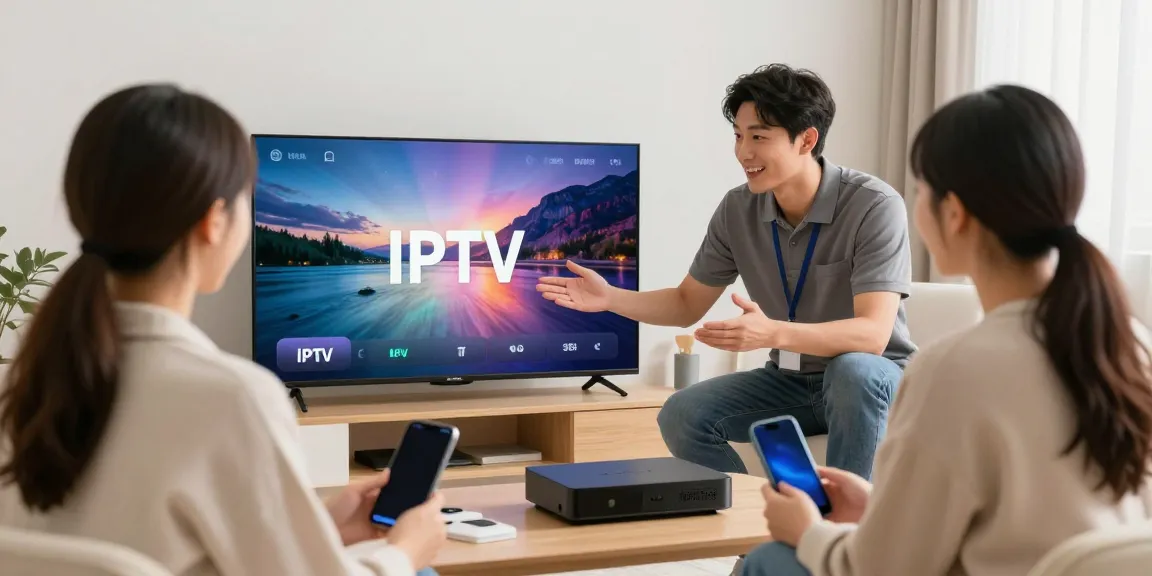
Understanding IPTV Services: What You Need to Know
In the ever-evolving world of television viewing, IPTV services have emerged as a game-changer for millions of households. This innovative technology allows viewers to stream live television and on-demand content via the internet rather than through traditional cable or satellite. As we move into 2026, IPTV services are gaining traction for their convenience, cost-effectiveness, and vast selection of channels. But what exactly are IPTV services, and what should consumers know before making a switch? This article delves deep into the many facets of IPTV, offering a comprehensive overview that will help you navigate your options with confidence.
What Are IPTV Services?
Internet Protocol Television (IPTV) refers to a method of delivering television content over the internet as opposed to traditional cable or satellite methods. IPTV streams content from a server directly to your device, providing flexibility in how and when you consume media. This service requires a stable internet connection, and it can be accessed through various devices, such as Smart TVs, computers, tablets, and mobile phones. Subscribers can enjoy hundreds of channels, including live sports, films, and shows, all bundled into one convenient package.
Benefits of Switching to IPTV
- Cost-Effective: Switching to IPTV can significantly reduce monthly expenses, as subscriptions are often cheaper than traditional cable packages.
- Wide Selection: IPTV services typically offer a much broader range of channels, including international content, at the user's fingertips.
- On-Demand Content: In addition to live TV, most IPTV providers grant access to a wealth of on-demand content, allowing subscribers to watch shows and movies at their convenience.
- Flexibility: Whether you're watching on a phone, tablet, or TV, IPTV services fit seamlessly into any lifestyle, letting viewers watch from virtually anywhere.
- Customisation: Some providers offer versatile packages, letting you choose specific channels or genres that best suit your viewing habits.
How IPTV Services Compare to Traditional TV
When comparing IPTV to traditional television options, there are stark differences in terms of accessibility, cost, and content availability. Cable television often comes with high installation fees, equipment rentals, and limited channel choices. In contrast, IPTV services can be accessed through existing internet connections without hefty upfront costs, making it an approachable option for many households. Moreover, the ability to access a larger library of on-demand content without interruptions enhances the viewing experience, presenting a clear advantage over traditional broadcasting methods.
Choosing a Trusted IPTV Service Provider
Finding the right IPTV service provider is crucial for ensuring a satisfying viewing experience. With numerous options available, it's essential for consumers to know what to look for to avoid pitfalls associated with unreliable or inferior services.
What to Look for in IPTV Services
- Reputation: Research online reviews and testimonials to see how current users rate the service.
- Channel Lineup: Ensure the provider offers channels and on-demand content that meet your preferences, including sports, movies, and international content.
- Device Compatibility: Confirm that the service works with your preferred viewing devices, such as Smart TVs, mobile devices, and desktop computers.
- Customer Support: A reliable provider should offer robust customer support, including live chat or direct contact methods like WhatsApp.
- Flexible Plans: Look for providers that offer various subscription packages, allowing you to choose the duration and features that best suit your needs.
Questions to Ask Your IPTV Provider
Before committing to a service, it's wise to ask a few important questions. Inquire about the following:
- What channels are included in the package?
- Are there any hidden fees beyond the advertised cost?
- How does the provider handle service interruptions or downtime?
- Is there a trial period or satisfaction guarantee?
- What type of customer support is available?
Red Flags for Unreliable Services
While searching for IPTV options, watch for warning signs that may suggest a provider is unreliable. Avoid companies that:
- Do not have a clear and accessible website.
- Only accept payment through unverified channels or cryptocurrencies.
- Do not provide user-friendly cancellation policies.
- Do not disclose information about their licensing or content rights.
Pricing Structures for IPTV Services
Understanding the pricing structures of IPTV services can help you make an informed decision. Consumers are often drawn to the attractive pricing of various packages, but always be cautious about hidden fees.
Cost Breakdown: Monthly vs Annually
IPTV services typically offer several subscription models, including monthly, semi-annual, and annual plans. Monthly setups provide flexibility, allowing users to change services if they are not satisfied. However, annual plans often deliver better value overall, with significant discounts for committing to a longer term.
Hidden Fees to Watch Out For
Some IPTV providers may include unexpected fees that inflate the total cost. Always read the fine print and inquire directly about:
- Setup or installation fees
- Additional device or app costs
- Premium channel add-ons
- Cancellation fees
Best Value Packages for Households
When choosing a package, consider the needs of your household. Families might benefit from subscriptions that include a variety of children's programming, while sports enthusiasts should seek services that offer sports channels and pay-per-view events. Always compare packages from multiple providers to ensure you are getting the best value for your investment.
Legal Considerations for IPTV Services
Understanding the legal landscape surrounding IPTV services is essential for both consumers and potential resellers. This crucial knowledge can help ensure compliance and safeguard against legal challenges.
Are IPTV Services Legal in the UK?
IPTV technology itself is legal; however, the legalities surrounding content licensing vary significantly. In the UK, IPTV providers must secure licensing agreements for the content they distribute. Always confirm that a provider has the appropriate rights to broadcast the channels included in their packages.
Compliance with Local Regulations
Proper compliance with regulations is vital for legitimacy in the IPTV industry. In the UK, Ofcom oversees broadcasting standards, which IPTV providers are required to adhere to. Familiarise yourself with these regulations to ensure that you, as a consumer, are protected.
Understanding Content Licensing
Licensing dictates which content can be legally streamed. Providers that operate without the necessary agreements put their subscribers at risk of penalties. Ensure that your IPTV provider maintains transparency regarding its licensing agreements, as this is a critical factor in the legality of their service.
Customer Experience: Reviews and Testimonials
The experiences of other users can offer valuable insights into whether a particular IPTV service is right for you. Customer feedback often highlights important aspects such as content variety, quality of service, and customer support responsiveness.
Real User Experiences with IPTV Services
Personal experiences, whether positive or negative, can be significant indicators of a service's reliability. Look for reviews that focus on:
- Stream quality and reliability
- Customer service responsiveness
- Value for money
- Overall satisfaction with content delivery
How Customer Service Affects Your Choice
The quality of customer service can make or break your experience with IPTV services. Fast response times, helpful support staff, and meaningful resolutions to issues can greatly enhance consumer trust and satisfaction.
Building Trust Through Community Feedback
Community feedback plays a crucial role in shaping perceptions of IPTV providers. Engaging with local forums or social media groups dedicated to entertainment services can provide authentic user insights and foster connections between potential subscribers and trusted communications.