
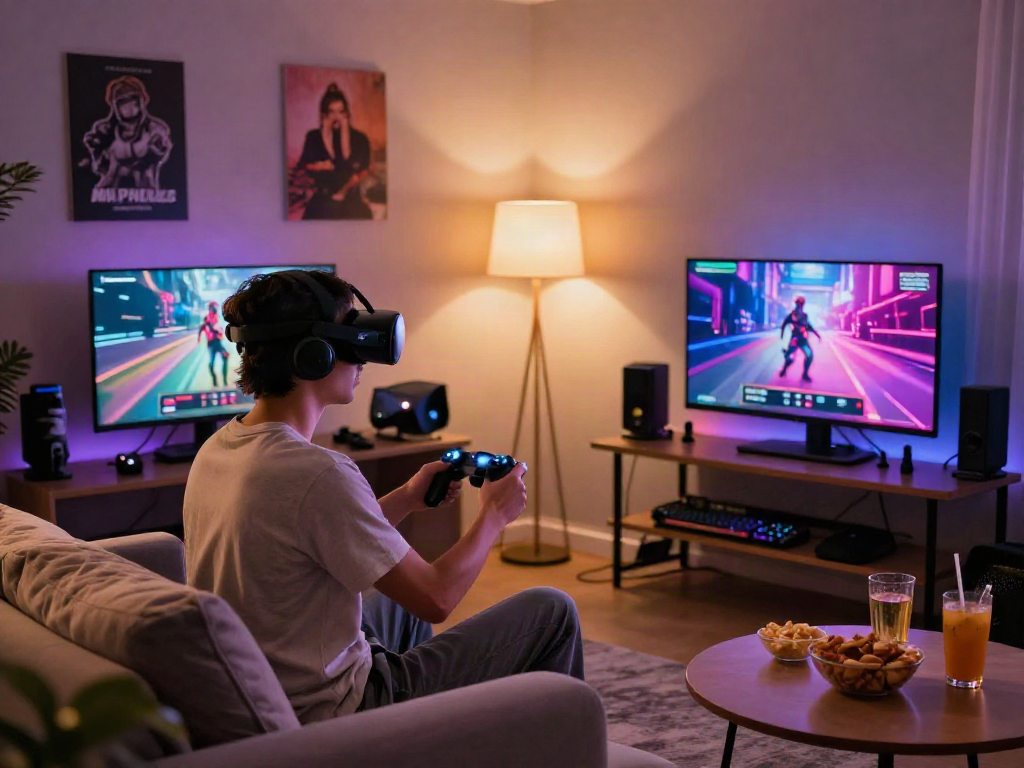
The Evolution of Sex Simulators
Sex simulators have undergone remarkable transformations since their inception, evolving from rudimentary mechanics to sophisticated digital experiences that offer immersive environments. As technology advances, the scope and complexity of sex simulator platforms are expanding, catering to a wider range of fantasies and preferences. This article delves into the evolution of sex simulators, exploring their historical context, the current landscape, and the potential future directions of this intriguing industry.
What Are Sex Simulators?
At their core, sex simulators are interactive software applications that allow users to engage in virtual sexual experiences. These platforms can take various forms, such as video games, VR experiences, and mobile applications, designed to replicate or simulate sexual interactions. By leveraging sensory engagement and user interactivity, these simulators create an environment where individuals can explore their sexual fantasies in a safe and private setting.
Historical Context and Development
The concept of sexual simulation dates back to the early days of gaming, with text-based adventures appearing as far back as the 1970s. However, it wasn't until the late 1990s that more visually explicit content began to emerge, primarily on adult websites. As internet speeds increased and graphical capabilities improved, developers began creating more engaging and visually stimulating platforms. The introduction of virtual reality in the 2010s marked a significant turning point, allowing for unprecedented levels of immersion and realism in sexual simulation experiences.
Current Trends in Sex Simulation Technology
As of 2026, the sex simulator industry has embraced cutting-edge technologies, including advanced graphics, artificial intelligence, and immersive VR environments. Recent trends indicate a growing focus on realism and user personalization, with many platforms now incorporating AI to adapt to individual user preferences. Furthermore, blockchain technology is being explored for enabling secure transactions and ownership of digital assets, potentially changing how users interact with virtual content.
Understanding User Experience in Sex Simulators
Understanding the user experience is essential for developers aiming to create engaging sex simulators. Psychological aspects, user demographics, and design principles significantly influence how users interact with these platforms.
Psychological Impact of Virtual Relationships
The emergence of virtual relationships through sex simulators has raised intriguing psychological implications. Users often form emotional attachments to virtual partners, which can offer a unique escape from reality. However, this can lead to challenges, including dependency on these virtual experiences to fulfill emotional or sexual needs, underscoring the importance of balanced engagement.
User Demographics and Preferences
Data suggests that the audience for sex simulators is diverse, spanning various age groups, sexual orientations, and preferences. Understanding user demographics is crucial for tailoring content and marketing strategies. For instance, younger audiences may gravitate toward VR experiences, while older users might prefer traditional gameplay formats. Additionally, user preferences often reflect broader societal trends regarding sexuality and intimacy, influencing the design of these simulators.
Designing for Engagement and Retention
Effective design is critical for ensuring user engagement and retention in sex simulators. Key principles include intuitive navigation, aesthetically pleasing graphics, and the incorporation of rewards or achievements to motivate continued play. Developers must also consider the emotional journey of the user, providing a balance between exploration and fantasy fulfillment.
Technical Aspects of Sex Simulation Software
Exploring the technical aspects of sex simulator software reveals how various features enhance user experiences. Developers focus on creating environments that heighten immersion and engagement, making the simulation feel as real as possible.
Key Features That Enhance User Experience
Innovative features such as customizable avatars, responsive animations, and advanced sound design play a vital role in creating a believable virtual environment. Additionally, many simulators now offer narrative elements, allowing users to engage in storylines that deepen their connections with virtual characters and provide a more enriching experience.
Virtual Reality vs. Traditional Gameplay
Virtual reality presents a unique opportunity for sex simulators by providing a 360-degree perspective that traditional gameplay cannot match. Users can interact with their virtual surroundings in ways that feel physically engaging, heightening the sensation of realism. However, traditional gameplay remains popular among users who prefer more straightforward mechanics and less immersive experiences.
Integrating AI for Personalized Experiences
Artificial intelligence is revolutionizing the way users interact with sex simulators. By analyzing user behavior and preferences, AI can adapt scenarios, dialogues, and character responses to enhance personalization. This leads to a more meaningful engagement and allows for dynamic interactions that evolve over time, keeping the experience fresh and exciting.
Safety and Ethics in Sex Simulators
As sex simulators gain popularity, addressing safety and ethical considerations becomes increasingly important. Developers and users alike must navigate the complexities of consent, addiction, and responsible usage.
Understanding Consent in Virtual Environments
Consent is a foundational aspect of any sexual interaction, including those taking place in virtual environments. It is vital that developers create clear guidelines and mechanisms that allow users to set boundaries and communicate preferences effectively. Incorporating consent into gameplay ensures a respectful experience that mirrors healthy real-life interactions.
Addressing Issues of Addiction and Escapism
The risk of addiction is a significant concern, as some users may become overly reliant on virtual interactions to fulfill their sexual or emotional needs. Developers must strive to create experiences that encourage healthy engagement and avoid fostering dependence. This can be achieved through features that remind users to take breaks or engage with other forms of interaction.
Best Practices for Safe Usage
To promote safe usage, both developers and users should adhere to best practices. This includes creating awareness about the potential risks associated with excessive use and encouraging open discussions about the impact of virtual experiences on real-life relationships. Platforms should also provide resources for users seeking help or guidance.
The Future of Sex Simulators in 2026 and Beyond
Looking ahead to 2026 and beyond, the future of sex simulators is poised for significant advancement. As technology continues to evolve, so too will the possibilities for user experiences.
Emerging Technologies and Innovations
The integration of haptic feedback devices, AI-driven narratives, and even sensory stimulation technology are expected to redefine the landscape of sex simulators. These innovations could enhance the realism of virtual experiences, offering users a more profound exploration of fantasy and intimacy.
Predictions for User Engagement and Market Growth
Market analysts project substantial growth in the sex simulator industry, driven by increasing acceptance of digital intimacy and advancements in technology. Engagement metrics will likely climb as platforms become more sophisticated and tailored to individual user preferences, leading to a more robust community of enthusiasts.
Potential Social Implications and Conversations
The rise of sex simulators raises essential conversations about the future of human intimacy, relationships, and sexual expression. As society navigates the balance between virtual and real-life interactions, discussions about the implications of these technologies on emotional well-being and connection will become increasingly pertinent in social and academic realms.
What are the best sex simulators available now?
Several leading platforms currently dominate the market, each offering unique experiences tailored to different user preferences. From visually stunning VR environments to intricate narrative-driven games, each simulator brings something different to the table, catering to a diverse audience.
How do sex simulators impact real-life relationships?
While some users report that sex simulators help them explore desires they might not feel comfortable addressing in real life, others express concerns about potential detachment from genuine relationships. Understanding the psychological effects of these simulators on real-life connections will remain a vital area of study.
Are there any risks associated with using sex simulators?
While sex simulators can provide a safe outlet for exploration, users must be aware of the associated risks, including addiction and the blurring of lines between virtual and real relationships. Responsible usage and self-awareness remain critical.
What technologies are shaping the future of sex simulators?
Emerging technologies such as artificial intelligence, haptic feedback systems, and advanced VR environments are shaping the future of sex simulators. These innovations promise to create more immersive and personalized experiences, evolving the interaction between users and virtual partners.
How can users maximize their experience in sex simulators?
To maximize their experience, users should explore multiple simulators to find the one that aligns best with their interests and comfort levels. Engaging with communities, understanding the features of various platforms, and being open to new experiences will enhance enjoyment and satisfaction.